Great events feel effortless to the crowd. Behind that is a lot of planning: sound, lighting, lasers, video, staging, power and a schedule that holds together from load-in to the last song. This checklist covers what to decide, what to find out, and what to hand your production team so nothing gets missed.
Step 1: Get clear on the vision
Before talking gear, get the big picture down. These answers shape every technical decision that follows.
- What kind of event is it? Wedding, corporate event, concert, festival, private party, brand activation.
- What’s the theme or feeling? High-energy rave, elegant dinner, immersive art space, product launch.
- Who’s the audience, and how many? Attendance drives the size of nearly everything.
- What’s the one moment people should remember? A headliner drop, a reveal, a first dance. Build the production around it.
- What’s the budget range? Even a rough number helps your production team recommend the right mix instead of guessing.
Step 2: Learn your venue
The venue sets the limits. Ask these questions early, ideally before you sign anything else.
- Power: how much is available, where, and on what circuits? Large sound, lighting and video setups often need a dedicated feed or a generator.
- Load-in: where does the truck park, how far is the push, and are there stairs or elevators?
- Access times: when can the crew start setting up, and when does everything have to be out?
- Ceiling height and rigging: can anything hang from the ceiling or a truss? This matters for lighting, lasers and projection.
- Rules: volume limits, curfews, haze or fog restrictions, fire codes, and anything about lasers or open flame.
- Surfaces: walls, buildings or structures that could be used for projection mapping.
Step 3: Choose your production elements
Most events use some mix of the following. You don’t need all of them. Pick the ones that serve the vision.
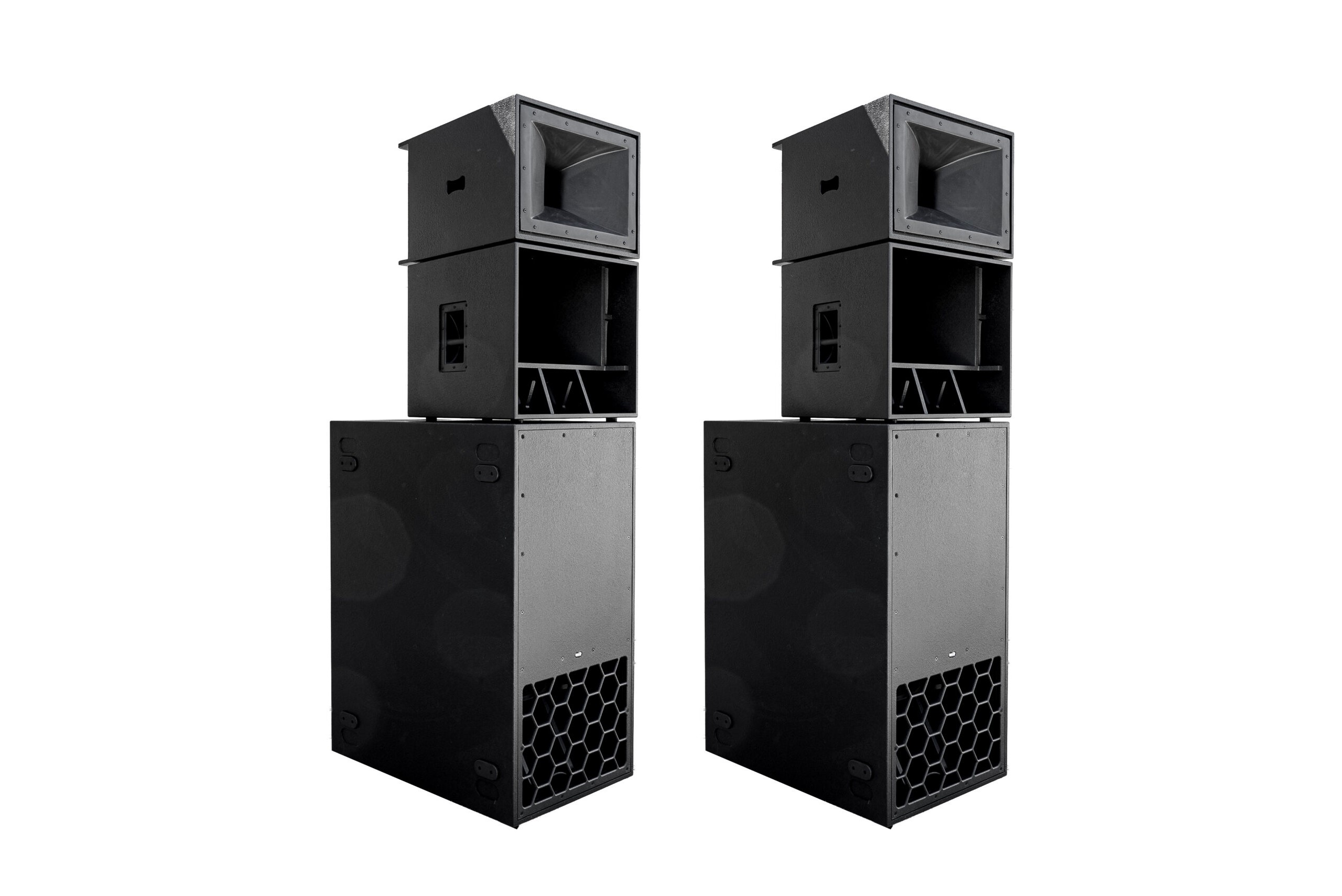
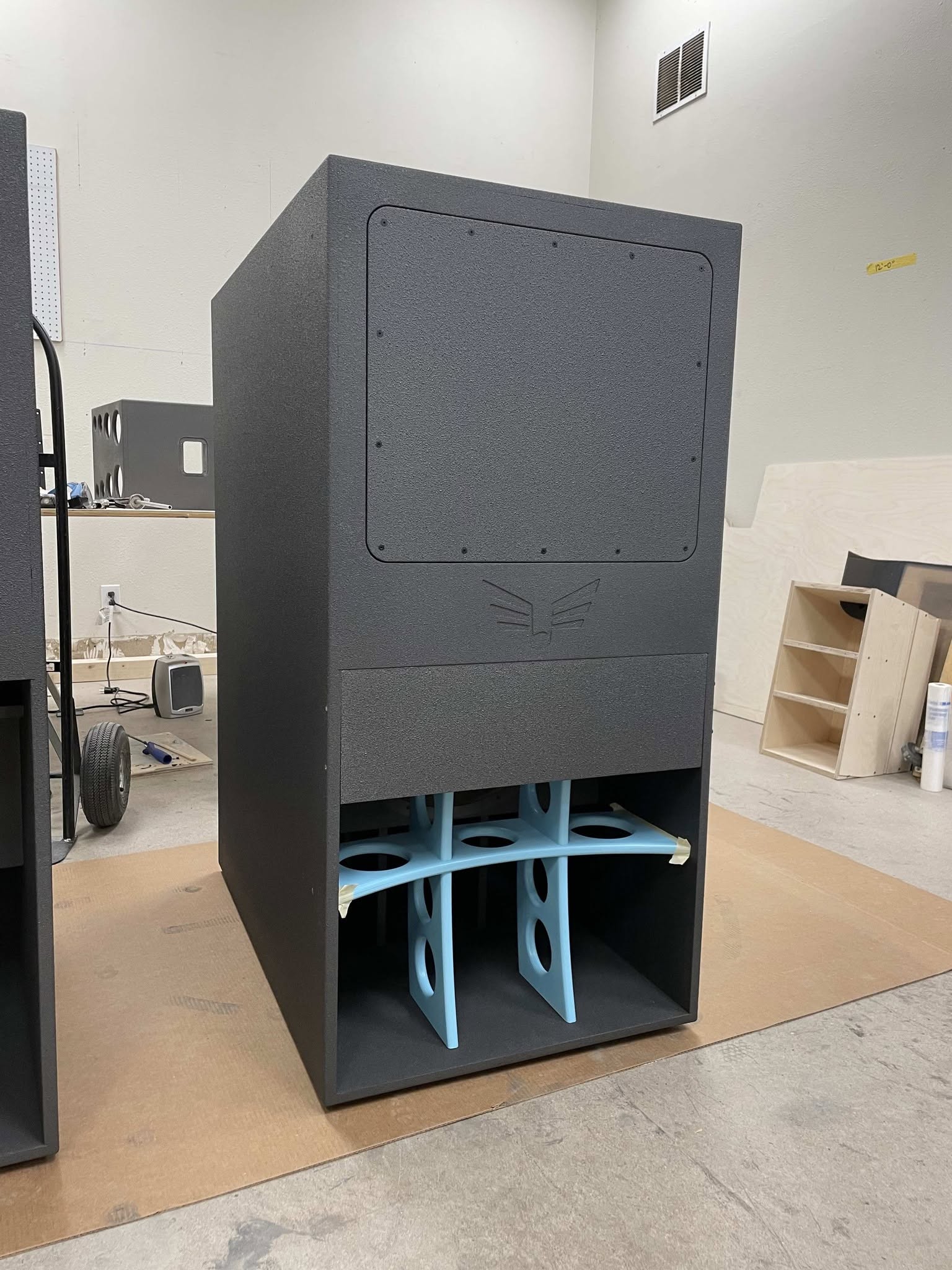
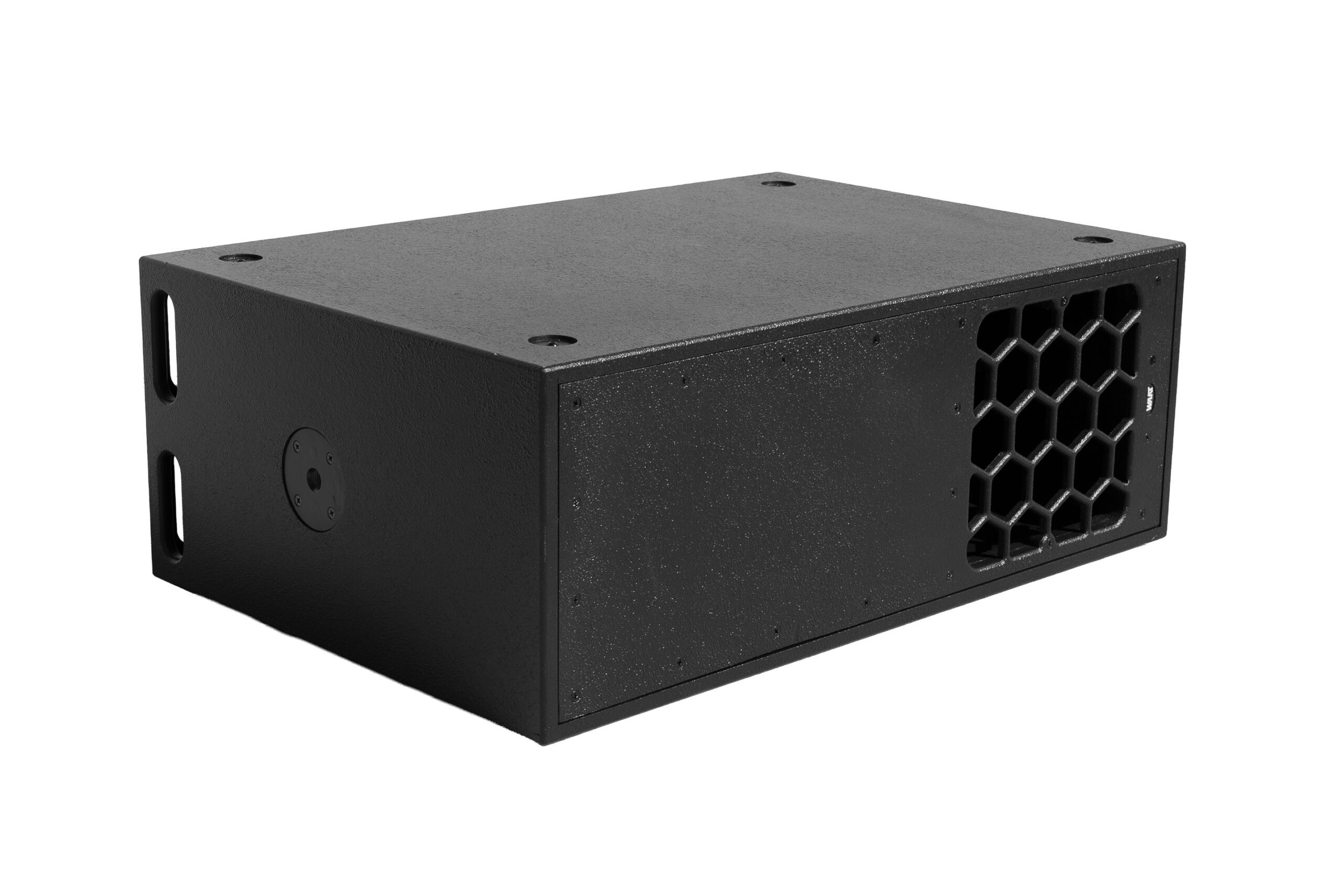
- Sound: the foundation. Sized for the crowd, the space and the music. See our rental sound system guide.
- Microphones: for speeches, hosts, MCs and live performers.
- Lighting: sets the mood and keeps the stage visible. Lighting design shapes the emotion, depth and energy of a space.
- Lasers: movement and impact that nothing else matches, especially with a bit of haze in the air.
- LED walls and screens: visuals, sponsor content, live camera feeds.
- Projection mapping: turns walls, stages and structures into moving visual surfaces.
- Stage and scenic pieces: custom CNC-built elements that give the space a look of its own.
- Custom content: visuals made for your event or brand.
- Power: generators when the venue can’t supply enough.
Step 4: Build the timeline
- Book early. Busy weekends and festival season fill up fast, and custom fabrication takes time to design and build.
- Lock the run of show. Doors, set times, speeches, special moments, last call. Production cues hang off this schedule.
- Plan load-in and load-out. Bigger productions can need most of a day to set up and tune. Make sure the venue access matches.
- Schedule a soundcheck and walkthrough. Test everything with the people who’ll use it, before guests arrive.
Step 5: Keep it to one point of contact
When separate vendors handle sound, lighting, visuals and staging, timelines get messy fast. Every handoff is a chance for something to fall through the cracks. Having one production partner coordinate the technical side means fewer handoffs, cleaner communication, and someone accountable for the whole show.
How WAAT works
- Tell us about the event: location, audience size and creative goals.
- We recommend the right mix of production elements and support.
- WAAT handles build prep, rental planning and execution.
- Your event goes live with fewer handoffs and better coordination.
WAAT supports festivals, corporate events, clubs and venues, weddings and private events, and artists, with audio, lighting, lasers, projection mapping, stage elements and technical coordination from setup through show day.
Your planning checklist
- Event name, type and date
- Theme and vision
- Estimated attendance
- Venue or location
- Start and end times, plus setup access times
- Production needs: lighting, lasers, sound, LED wall, projectors or screens, microphones, custom content, generator
- Budget range (optional, but it helps)
That’s the same information our event questionnaire asks for. Fill it out and we’ll help you map out the right production package. Want to see what’s possible? Explore event production and stage and set design.